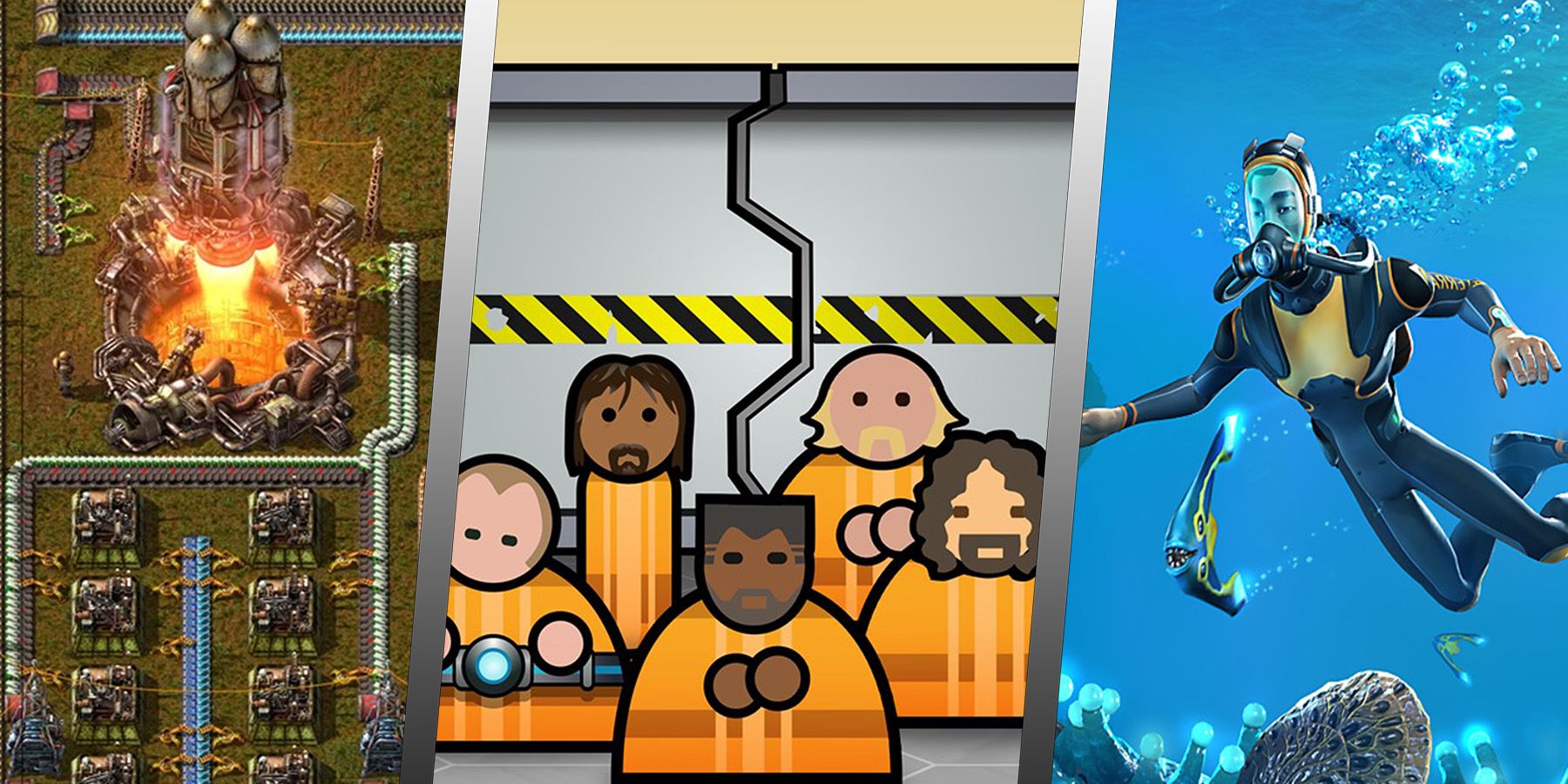
Most people play games to unwind. But strategy building games don’t just entertain—they train. The decisions you make in these games mirror real-life leadership, planning, and risk assessment. Whether you’re managing a city in Cities: Skylines, expanding an empire in Civilization, or defending a base in They Are Billions, you’re not just playing. You’re practicing foresight, adaptability, and long-term planning.
These games demand more than reflexes. They require systems thinking—a skill often taught in MBA programs and military academies. And increasingly, employers value players who can demonstrate strategic clarity under pressure. The best strategy building games don’t just test your patience; they build it.
---
What Defines a Strategy Building Game?
At its core, a strategy building game combines resource allocation, long-term planning, and adaptive decision-making. Unlike action or narrative-driven games, the focus isn’t on speed or story—it’s on systems.
Key Traits of Strategy Building Games: - Resource Management: You have limited materials, time, or manpower and must use them wisely. - Infrastructure Development: You construct and upgrade buildings, units, or networks. - Scalable Challenges: As your base grows, so do complexity and external threats. - Long-Term Goals: Victory isn’t instant. It’s measured in hours, not minutes. - Consequence-Based Mechanics: Mistakes compound. Poor planning leads to cascading failure.
These aren’t games you rush through. They’re sandboxes for decision-making.
Take Factorio, for example. On the surface, it’s about automating factories. But beneath that, it’s a masterclass in process optimization. One misplaced belt or poorly routed train can cripple an entire operation. Players learn to think in feedback loops, just like engineers or supply chain managers.
---
The Cognitive Benefits of Strategic Gameplay
You don’t need to believe games are “educational” to appreciate their mental benefits. But research supports what serious players already know: strategy building games improve executive function.
A 2021 study published in Computers in Human Behavior found that players of complex strategy games showed significant improvements in: - Working memory - Cognitive flexibility - Strategic foresight - Task-switching efficiency
Why? Because these games force you to hold multiple variables in mind—budget, timeline, terrain, enemy movement, supply chains—while adjusting to dynamic conditions.
Real-World Applications
- Project Managers use similar skills when allocating team resources and predicting bottlenecks.
- Entrepreneurs apply the same cost-benefit analysis when launching products or expanding operations.
- Urban Planners face challenges like traffic flow and zoning—echoed directly in city-building sims.
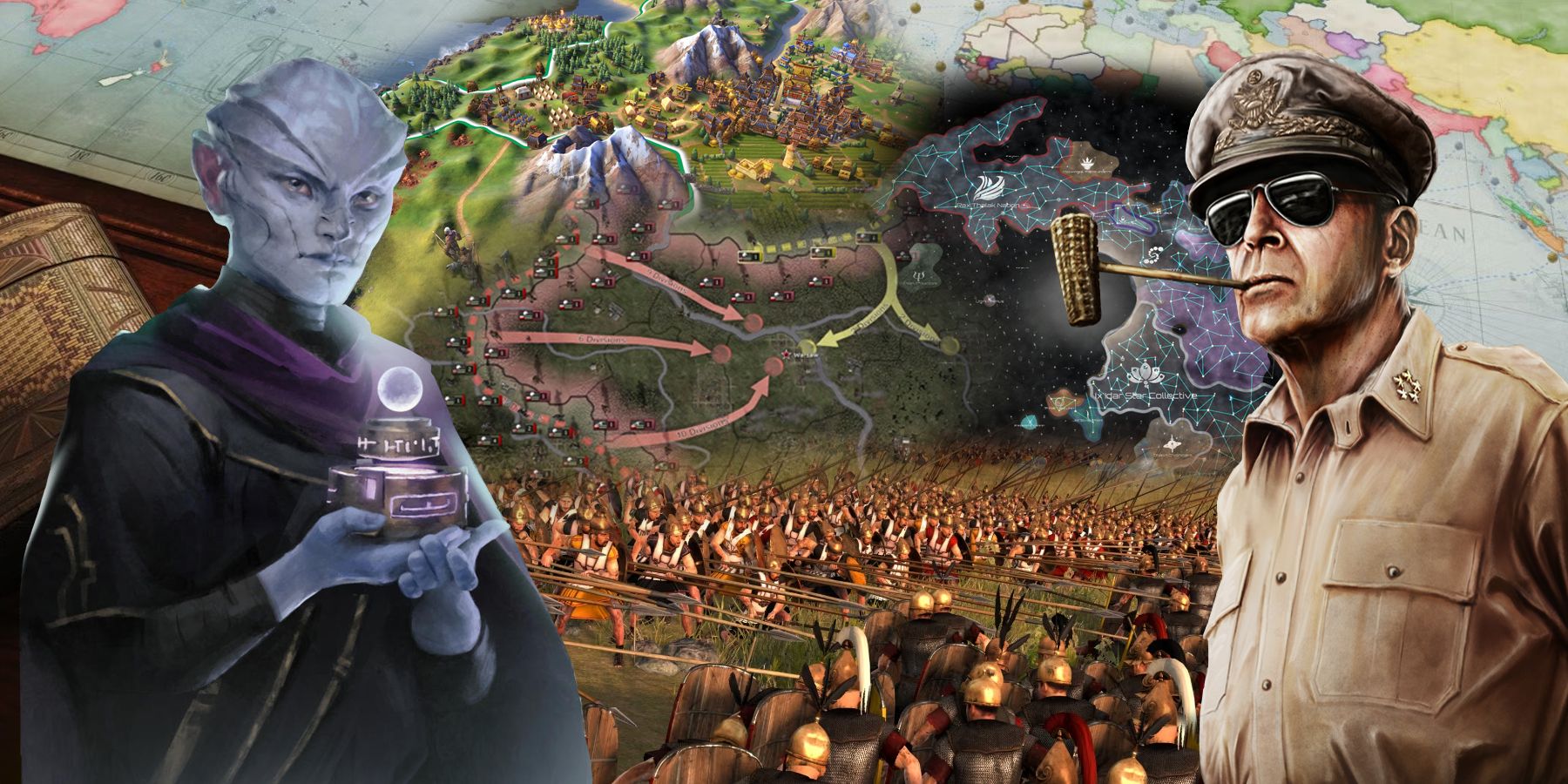
Even military simulations borrow mechanics from games like Supreme Commander or Total War. The overlap isn’t accidental.
---
Common Mistakes New Players Make
Jumping into a strategy building game without a plan is like building a house on sand. Beginners often repeat the same errors—ones that slow progress or trigger early failure.
- Top 5 Beginner Mistakes:
- Overbuilding Too Early
- Adding factories, units, or homes before securing stable resources drains reserves fast. Expansion without foundation fails.
- Ignoring Logistics
- In RimWorld or Oxygen Not Included, players often focus on buildings but forget transport routes, power lines, or waste disposal—leading to system collapse.
- Neglecting Defense Until It’s Too Late
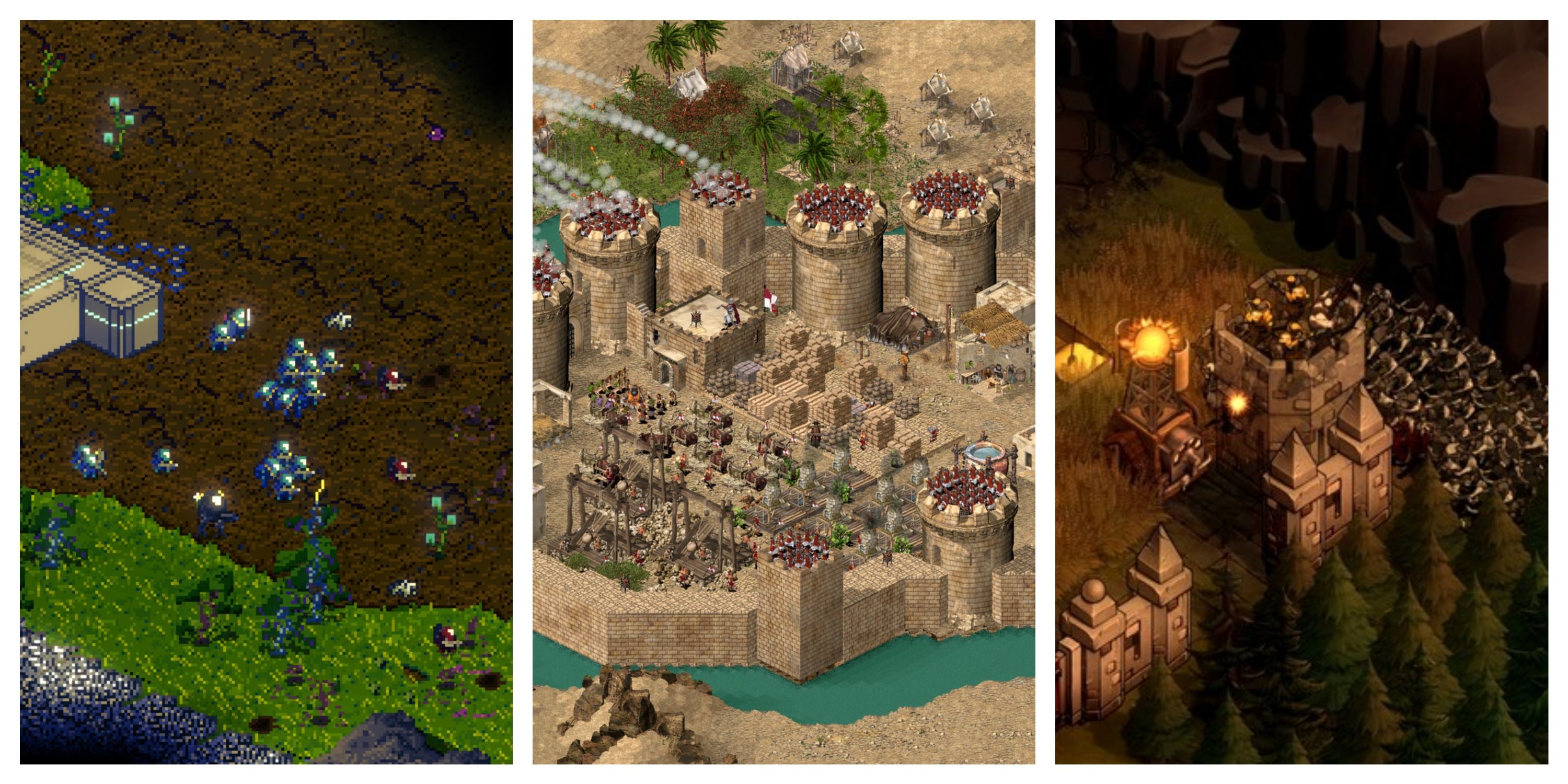
- In survival-strategy hybrids, players focus on growth, only to be wiped out by a single raid or disaster.
- Micromanaging Everything
- Obsessing over every worker or unit kills momentum. The goal is to create systems that run themselves.
- Skipping the Pause Function
- Many games (like Crusader Kings or Stellaris) let you pause and plan. Not using it means reacting, not strategizing.
Avoiding these errors isn’t about perfection—it’s about developing habits of reflection and systems thinking.
---
Top 6 Strategy Building Games That Teach Real Skills
Not all strategy games are equal. Some prioritize spectacle over depth. The best ones simulate real-world constraints and reward thoughtful planning.
| Game | Core Skill Developed | Real-World Parallel |
|---|---|---|
| Cities: Skylines | Urban planning, traffic flow, public services | City management, civil engineering |
| Factorio | Process automation, supply chain design | Industrial engineering, logistics |
| Civilization VI | Long-term diplomacy, research prioritization | Strategic leadership, policy planning |
| RimWorld | Crisis management, resource triage | Emergency response, team leadership |
| Oxygen Not Included | Closed-loop systems, thermodynamics | Environmental engineering, sustainability |
| They Are Billions | Defensive positioning, risk assessment | Military strategy, disaster preparedness |
Each of these games forces players to think in systems. In Oxygen Not Included, for instance, you manage heat, gas, liquid, and creature behavior—just like an environmental control engineer in a space station.
Meanwhile, Factorio players often report that their real-world problem-solving improved—especially in tech and operations roles.
---
How to Build a Winning Strategy: A Step-by-Step Workflow
Great players don’t wing it. They follow a repeatable process. Here’s a framework used by top players and adapted from real project management models:
1. Assess the Environment
- Map terrain, resources, and threats.
- Identify bottlenecks early (e.g., choke points, scarce materials).
2. Define Your Objective
- Is it survival? Expansion? Efficiency?
- Set measurable goals (e.g., “Reach 10,000 population by Year 10”).
3. Design the Core System
- Start small: Build one functional loop (e.g., mine → transport → factory).
- Test it before scaling.
4. Automate and Delegate
- Use game mechanics (drones, AI workers, automated routing) to reduce manual control.
- Free your attention for higher-level decisions.
5. Monitor and Iterate
- Check for inefficiencies (e.g., idle workers, traffic jams).
- Adjust layout, policies, or priorities based on data.
This workflow mirrors Agile project management or Lean operations. The only difference? One uses sprint cycles, the other uses in-game years.
---
Why Some Strategy Games Fail to Deliver Depth
Not every game labeled “strategy” earns the title. Many mobile or free-to-play titles masquerade as strategy builders but rely on timers, paywalls, or repetitive grinding.
Red Flags of Shallow Strategy Games: - Victory depends more on time invested than decisions made. - Upgrades are linear, not strategic. - No meaningful trade-offs (e.g., you can have everything if you wait). - Social features replace gameplay depth (e.g., “alliance wars” with automated outcomes).
True strategy games present meaningful choices. Do you invest in defense or expansion? Do you prioritize research or immediate production? These decisions shape the entire game—and force players to commit and adapt.
Games like Banished or Frostpunk excel here. In Frostpunk, you face moral dilemmas: enforce child labor to survive winter, or risk collapse? There’s no perfect answer—only consequences.
---
Building Better Players: Tips for Long-Term Growth
Improvement in strategy building games isn’t about memorizing tactics. It’s about developing a mindset.
Pro Tips from Veteran Players:
- Watch Your Own Playbacks
- Many games (like Anno 1800) let you review past sessions. Look for inefficiencies you missed in real time.
- Start on Higher Difficulty
- Easy modes remove consequences. Hard modes force smarter planning from the start.
- Join a Community
- Forums like Reddit’s r/strategygames or dedicated Discord servers offer blueprint sharing and critique.
- Limit Your Resources Intentionally
- Try a “one power plant” challenge or a “no imports” rule. Constraints breed creativity.
- Take Notes
- Track what failed and why. Over time, you’ll spot patterns in your decision-making.
The best players don’t just win—they learn how they win.
---
Final Thoughts: Play to Improve, Not Just to Win
Strategy building games aren’t escapes from reality. They’re mirrors. The patience you build managing a failing colony in RimWorld translates to handling team crises at work. The long-term vision you use in Civilization helps you plan career moves or personal goals.
These games reward thinking ahead, learning from failure, and systems mastery—skills that compound over time, both in-game and in life.
If you’re playing to pass time, you’re missing half the value. Play to grow.
Start today: Pick one game, define one goal, and build one system. Measure your progress. Adjust. Repeat. That’s not just a winning strategy—it’s a way to think.

:max_bytes(150000):strip_icc():focal(999x0:1001x2)/_Taylor-Frankie-Paul-091025-0604970eb1684d1d8c5bbf92e101101c.jpg)